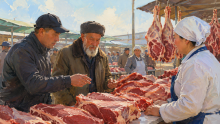
A decline in the average price index for socially significant food products (SSFPs) by 0.1% over the three weeks of July has been recorded in Kazakhstan for the first time since the beginning of 2026. Against this backdrop, Deputy Prime Minister – Minister of National Economy Serik Zhumangarin ordered a detailed analysis of the meat market due to the ongoing rise in prices for certain types of products.
WHAT WAS DISCUSSED AT THE MEETING
According to the results of June, annual inflation in the country stood at 10.3%, compared to 10.4% the previous month. An inflation rate higher than the national average was noted in 11 regions. The highest rates were recorded in the Zhetysu, Ulytau, North Kazakhstan and Akmola regions.
WHICH PRODUCTS BECAME CHEAPER AND WHAT CONTINUES TO GET MORE EXPENSIVE
As reported by the First Vice-Minister of Trade and Integration, Aizhan Bizhanova, July and August are traditionally a period of seasonal price stabilisation for basic food products.
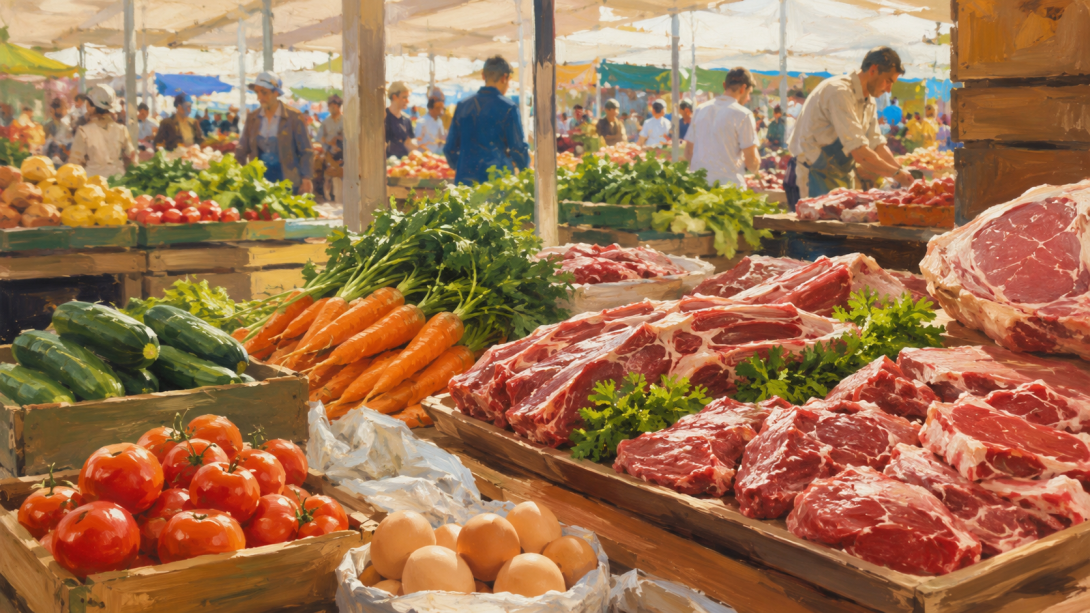
Over the past week, the most noticeable price decreases were for:
- tomatoes — by 15.1%;
- cucumbers — by 18.2%;
- carrots — by 5.2%;
- eggs — by 2.4%.
At the same time, prices continue to rise for certain types of meat products:
- lamb — by 2%,
- horse meat — by 1.3%,
- minced meat — by 0.6%.
WHAT INSTRUCTIONS DID ZHUMANGARIN GIVE?
Due to the rise in prices for meat products, Serik Zhumangarin ordered a detailed analysis of the market for meat and meat product production, taking into account production volumes, domestic consumption, and export supplies. Based on the analysis results, the Government will determine further actions.
Furthermore, the Deputy Prime Minister instructed state bodies and akimats to step up targeted work with market participants. According to him, every case of a significant price increase should be accompanied by an analysis of the entire supply chain and the elimination of the reasons for the price rise.
Also, relevant ministries and akimats have been instructed to hold meetings with the largest wholesale suppliers and importers to identify existing barriers and develop state support measures, subject to compliance with obligations to ensure price stability.
WHAT SUPPORT MEASURES ARE ALREADY BEING APPLIED
By the end of 2026, it is planned to commission 3 vegetable oil refining plants, which should increase the supply of sunflower oil on the domestic market.
Also, in the near future, a regulatory legal act on preferential electricity tariffs for 40 enterprises in the baking industry will come into force. In addition, JSC "NC "Kazakhstan Temir Zholy" provides a 70% discount on railway transport for socially significant food products within the country. Local executive bodies have been instructed to monitor the use of this support measure and the fulfilment by recipients of their obligations to prevent unjustified price increases.
CONTEXT
At the same time, the Vice-Minister of Agriculture, Azat Sultanov, in public comments on the situation in the meat market, expressed disagreement with forecasts of a significant price increase and spoke about the absence of preconditions for a sharp rise in prices.
Thus, in June 2026, he stated that after the rise in price of lamb at the end of May, prices in a number of regions began to fall. At the same time, he acknowledged that the cost of meat was influenced not only by seasonal demand during the period of Qurban Ait, but also by exports: according to him, Kazakh lamb is in high demand on foreign markets, which is reflected in domestic pricing.
In February 2026, following statements by livestock breeders about the possible cost of beef at 10–12 thousand tenge per kilogram, Azat Sultanov gave reassuring comments. He said that talk about rising meat prices does not automatically mean an increase in the price of products on the domestic market.
In December 2025, Azat Sultanov commented on the forecast that Kazakhstan may in the future start importing meat from Uzbekistan at a price of 15–20 thousand tenge per kilogram. According to Sultanov, the ministry did not share such assessments. He also stated that meat prices had already stabilised and settled at the level of 3.3 thousand tenge per kilogram for shoulder cut meat.